
Advertisement
A retired teacher comes out of a pharmacy to find her sedan’s rear quarter panel crumpled and a note tucked under the wiper with another driver’s phone number. By evening she has a claim number, and her insurer’s app is asking her to upload photos of the damage from several angles. She takes a few shots in the fading light, wonders whether they are good enough and has no idea who will look at them or how they will turn a dented panel into a repair figure.
The person on the other end is an adjuster or appraiser, and their estimate shapes everything that follows: how much the insurer pays, which parts go on the car and whether the repair or a total loss makes more sense. Understanding how they inspect and value damage lets you supply better information, spot problems in an estimate and push back effectively when the numbers fall short.
Advertisement
The People Behind the Estimate
Several roles can be involved in a car claim. A claims adjuster manages the file overall, deciding coverage questions, handling fault and communicating with you. An appraiser, sometimes called a damage adjuster, focuses on inspecting the vehicle and writing the repair estimate. On a small claim, one person may do both jobs; on a larger claim, several people may be involved.
Adjusters and appraisers can be staff employees of the insurer or independent professionals hired for a particular claim, especially when claim volume spikes after a storm. Either way, they apply the insurer’s guidelines and the terms of the policy. That does not make them adversaries, but it does mean they are not your personal advocates.
The relationship differs depending on whose insurer you are dealing with. When your own insurer handles a claim, it owes you duties under your contract, including fair and timely handling. When you deal with the other driver’s insurer, it owes you less directly, and its main obligation runs to its own policyholder, though it must still follow the fair claims practices rules where you live.
Knowing which role you are talking to helps you ask the right questions. Coverage and fault belong with the claims adjuster, while questions about a missed dent or a parts choice belong with the appraiser who wrote the estimate.
How the Inspection Happens
Many insurers now start with photo-based estimates. You upload pictures through an app or website, and an appraiser writes an estimate from the images, sometimes with software that suggests likely damage. This works well for clear cosmetic damage, but it can miss hidden problems behind panels. Photos taken in good light, from a few steps back and up close, with the whole car visible in at least one shot, lead to more accurate estimates.
Some insurers use drive-in inspection centers, where you bring the car for an appraiser to examine in person. Others send a field appraiser to your home, workplace or the repair shop. For heavily damaged or undrivable cars, the inspection often happens at the tow yard or the body shop.
A growing number of claims are handled through direct repair programs, where a shop in the insurer’s network writes the estimate and the insurer reviews it. That arrangement can speed things up, since the shop can often begin work sooner, but you usually keep the right to choose a different shop.
Whatever the method, point out every area of damage you know about, including interior problems such as a warning light, a door that closes differently or a new rattle. The appraiser can only include what is found or reported.
What Goes Into the Numbers
A collision estimate breaks the repair into line items. Each damaged part is listed with a decision to repair or replace it, the cost of any new part, and the labor time for the work. Labor is usually split into categories such as body work, refinishing, mechanical and frame or structural work, each with its own hourly rate that reflects local shop rates.
Paint and materials form a separate line, often calculated from refinishing hours. Additional operations such as blending paint into adjacent panels so the color matches, removing and reinstalling trim, corrosion protection and wheel alignment may each appear as their own entries. Modern cars often need calibration of cameras, radar and other driver assistance sensors after a repair, which may be done by the shop or sent to a specialist.
Estimating relies on industry databases that suggest standard labor times for common operations. Those times are a starting point, and experienced shops and appraisers adjust them for the actual condition of the car. An estimate that leaves out operations a shop considers necessary is one of the most common reasons for disputes.
Taxes on parts and labor are generally included, following the rules where the repair is done. If an estimate seems low, compare its labor rates with what local shops actually charge.
Parts Choices and Deductions for Wear
The parts listed on an estimate affect both cost and quality. Appraisers commonly choose among these types:
- Original equipment parts: made by or for the vehicle’s manufacturer, generally the most expensive and the closest match in fit and finish.
- Aftermarket parts: produced by other companies to fit the vehicle, usually cheaper, with quality that can vary widely.
- Recycled or used parts: taken from other vehicles of the same model, often original equipment, and priced below new.
- Reconditioned parts: used parts repaired or refinished to work like new, common for wheels, bumpers and lights.
Many policies allow the insurer to specify non-original parts, and some places require disclosure when they are used. If you prefer original parts, ask whether your policy includes that option or whether you can pay the difference.
Some estimates include a betterment deduction when a worn item, such as a tire or battery, is replaced with a new one. The reasoning is that you would otherwise end up better off than before the crash. Ask for an explanation if you see this line, since rules on betterment differ.
Supplements for Hidden Damage
An initial estimate rarely captures everything. When a shop removes a bumper cover, it may discover crushed brackets, damaged sensors or a bent reinforcement bar. At that point the shop submits a supplement, which is an additional estimate for the newly found damage, and the insurer reviews it, sometimes with another inspection.
Supplements are routine and not a sign that anyone did something wrong. They do add time, particularly if parts must be ordered or the insurer wants to reinspect. Staying in touch with the shop and asking it to send supplements promptly keeps the repair moving.
If supplements push the total cost close to the car’s value, the insurer may reconsider whether to repair or declare a total loss. That decision depends on the car’s actual cash value, the total repair cost and, in some places, a legal threshold or formula for total losses.
Ask the shop to keep you informed each time a supplement is submitted. Knowing the running total helps you anticipate a total loss conversation before it arrives.
When the Estimate and Reality Disagree
If your shop’s estimate is higher than the insurer’s, start by asking both for line-by-line versions and comparing them. Differences usually trace to labor rates, parts choices, repair-versus-replace decisions or operations one side left out. Often the shop and the appraiser can resolve these directly, and many insurers will pay the shop’s reasonable figure once they see the reasoning.
If you believe the estimate is simply too low, provide evidence: a written estimate from a reputable shop, photos of damage the appraiser missed or the manufacturer’s repair procedures for your model. Put your concerns in writing and ask for a reinspection. Keep the conversation factual and specific.
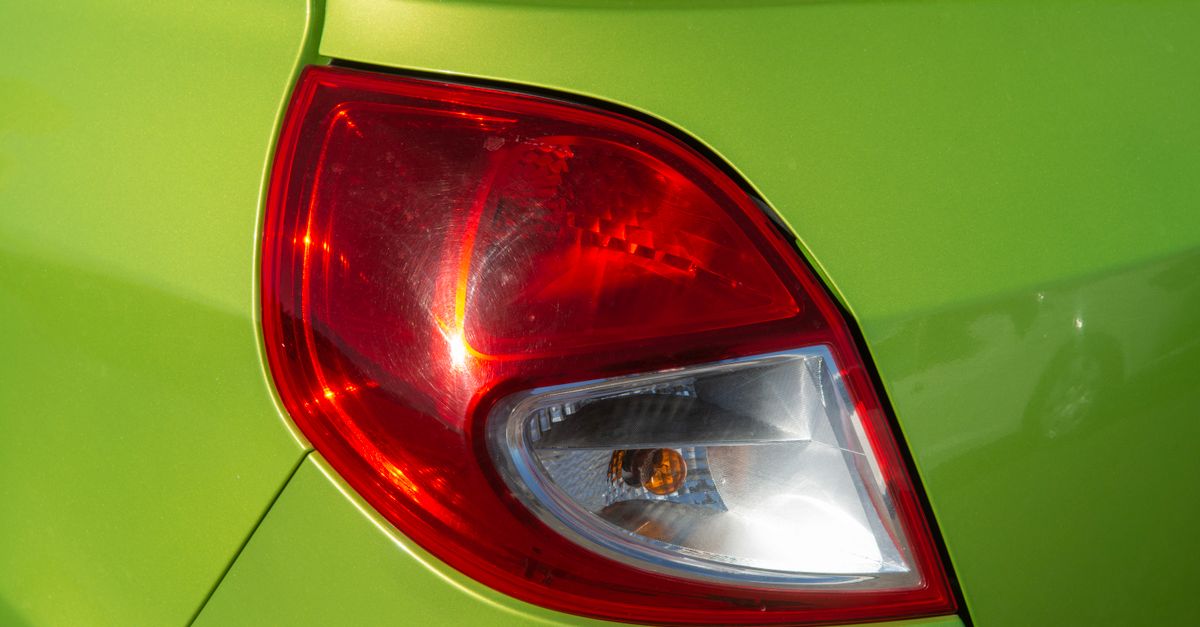
Photo estimates deserve extra scrutiny. In the pharmacy parking lot example, a crumpled quarter panel photographed at dusk could hide a bent wheel well, a cracked taillight housing or a damaged blind-spot sensor behind the bumper. If the photo-based figure seems to cover only the visible panel, ask for an in-person inspection or have the shop document what it finds after partial disassembly before you accept the amount.
For claims under your own policy, many contracts include an appraisal clause. If you and your insurer cannot agree on the amount of loss, each side hires an appraiser, and the two appraisers select an umpire to settle differences. This process deals only with the amount, not with coverage, and each side usually pays its own appraiser. For claims against another driver’s insurer, the options include negotiation, a complaint to the insurance regulator or small claims court.
Helping the Adjuster Help You
Answer questions promptly, provide documents when asked and keep your own records of every conversation, including dates and names. Clear photos, a written list of damage and receipts for any recent repairs or new parts all help an appraiser reach an accurate figure the first time.
When the insurer pays you directly rather than the shop, you are generally free to decide how to use the money on a car you own outright, though a lender with an interest in the vehicle may insist on the repair. If you skip or delay repairs, remember that a later claim for the same area of the car may be reduced by the amount already paid.
Before authorizing repairs, read the estimate, ask about parts types and confirm who pays the shop and when. Fair claims handling rules differ by state and province, so if something seems wrong, ask the adjuster to explain the relevant policy language and the local rules. A cooperative, well-documented approach tends to produce faster and more complete payments than frustration or silence.