
Advertisement
You’ve driven the compact SUV twice, the price is agreed in principle, and the seller mentions it “just passed a full inspection” at the shop where they’ve always taken it. It sounds reassuring, and it may even be true. But that inspection was done for the owner, by a shop that knows the owner, and nobody in that arrangement was working for you.
A pre-purchase inspection by a mechanic you choose and pay is the single most useful thing you can buy before buying a used car. It turns a guess into a written assessment, it gives you leverage if problems turn up, and it occasionally saves you from a car you should never own. Here is what a good one includes, how to find the right shop, what to expect on cost and logistics, and how to use the results.
Advertisement
What a Thorough Inspection Looks At
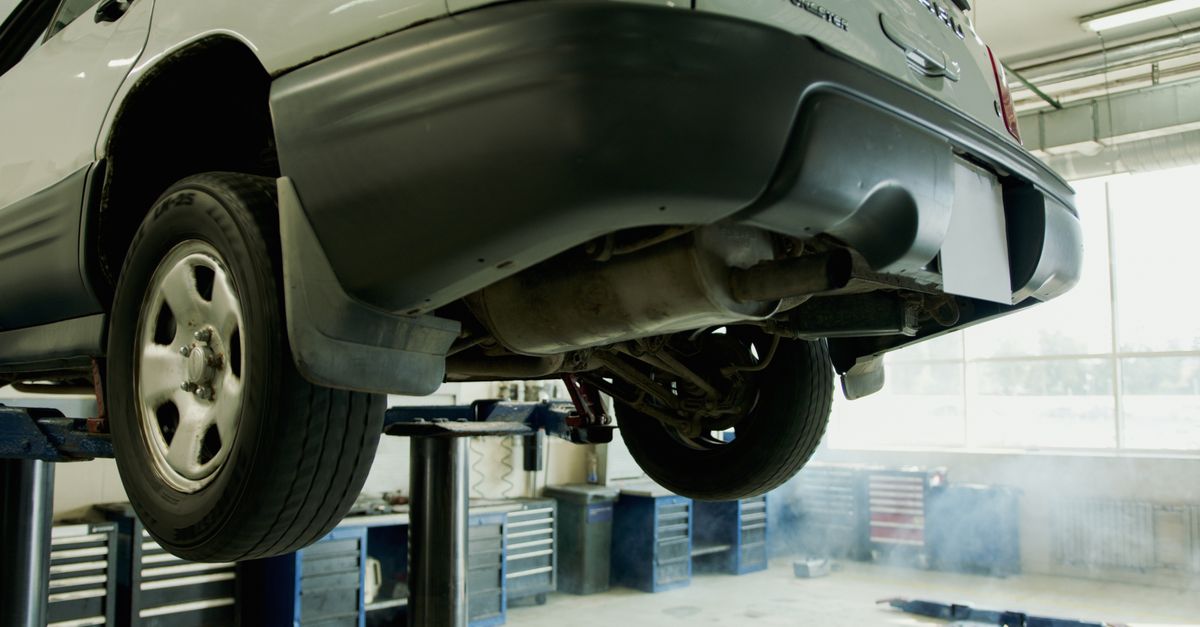
A real pre-purchase inspection starts with the car on a lift. That matters, because the most expensive problems on a used vehicle tend to live underneath: rusted frame sections, leaking seals, worn suspension joints, damaged exhaust, a transmission weeping fluid. A mechanic working from a driveway with a flashlight sees far less than one standing under the car with good lighting.
Beyond the lift work, a solid inspection usually covers the following, though the exact scope varies from shop to shop.
- Diagnostic scan: stored and pending trouble codes, plus whether the emissions readiness monitors have completed, which reveals codes cleared shortly before the sale.
- Brakes and tires: pad and rotor thickness, brake fluid condition, tread depth and uneven wear.
- Fluids and leaks: oil, coolant, transmission and differential fluids, and where any seepage is coming from.
- Suspension and steering: ball joints, tie rods, bushings, shocks and struts, axle boots.
- Body and structure: evidence of collision repair, repainting, flood exposure and structural rust.
- Road test: shifting, braking, alignment, noises and how the engine behaves once fully warm.
Some shops add a compression or leak-down test, a cooling system pressure test or a battery health check on hybrids and electric vehicles. Ask what is included before you book, so you know what the report does and doesn’t cover.
Choosing a Shop With No Stake in the Sale
The mechanic should have no relationship with the seller. That rules out the seller’s regular shop, a garage the seller recommends, and the service department of the dealership selling the car. None of those people are necessarily dishonest, but each has a reason to see the car kindly, and you are paying for an unbiased opinion.
Look for a shop that works on the type of vehicle you’re buying. A general repair shop handles most mainstream sedans and crossovers well. A diesel pickup, a performance car, a European luxury model, a hybrid or an electric vehicle benefits from a specialist who owns the right scan tools and knows the common failure points. Local enthusiast forums and owner groups often point you toward shops that know a particular kind of car.
Mobile inspectors who come to the car are an option when distance makes a shop visit impractical, such as buying from another city. They can be thorough, but without a lift they see less of the underside, so ask exactly how they check the frame, suspension and exhaust before you hire one.
When you call a shop, a few questions sort the careful ones from the rushed ones. Ask whether they do pre-purchase inspections regularly, whether the report is written or verbal, whether it includes photos, and whether the technician who did the work will talk you through it afterward. Ask how long the car needs to be there; a thorough job usually takes at least an hour, and a shop promising a fifteen-minute look is offering something closer to a glance. A shop that asks you questions back, such as what the car is, how old it is and whether you have any specific worries, is usually one that takes the job seriously.
What It Costs and Who Pays
The buyer normally pays for the inspection, and the fee is usually modest next to the price of the car, often in the range of a routine service visit rather than a major repair. Prices vary with the shop, the region and the scope. A basic look costs less than a comprehensive inspection with a long road test, and specialized vehicles tend to cost more.
Think of the fee as insurance against a single bad surprise. A failing transmission, a cracked subframe or a head gasket leak can each cost far more than the inspection, and any one of them can turn a fair price into a very poor deal. Even when the inspection finds nothing major, you gain a maintenance roadmap for the first year of ownership.
If the inspection uncovers enough trouble that you walk away, the money is not wasted. You paid to avoid a car that would have cost you much more, and many buyers inspect two or three candidates before finding the right one. Budget for that possibility from the start so you don’t feel pressured to buy the first car you’ve paid to check.
Getting the Seller to Agree and Setting It Up
Ask for the inspection early, ideally before you negotiate hard, and frame it as routine. Most honest sellers expect it. A private seller can meet you at the shop at an agreed time; a dealer may let you take the car to your mechanic during business hours or allow a mobile inspector onto the lot.
Settle the practical details in advance. Confirm who drives the car to the shop, since the seller’s insurance usually covers the seller driving, and your own policy may or may not cover you in someone else’s car. Agree that the mechanic can put the car on a lift and remove wheels if needed. If you’re asked for a deposit to hold the car, get in writing that it is refundable if the inspection turns up problems, because deposit rules differ by state or province and by dealer.
If a seller refuses any independent inspection, treat it as a serious warning. There are rare legitimate reasons, such as a seller who can’t take time off work, but those can usually be solved with a mobile inspector. A flat refusal on a car you can’t evaluate yourself is often the best reason to keep looking.
Reading the Report Like a Buyer
Ask for a written report, with photos if the shop provides them, and a few minutes on the phone or in person with the mechanic who did the work. Written findings are useful in negotiation; a conversation tells you how worried the mechanic actually is. Ask a direct question: would you buy this car for someone in your family at this price?
Sort the findings into three piles. Safety and structural issues, such as frame rust, brake line corrosion, failing ball joints or airbag faults, are either repaired before you buy or deal-breakers. Near-term maintenance, such as brakes, tires, fluids, belts or a battery, is predictable and can be priced into the deal. Cosmetic items rarely justify much of a discount unless they point to hidden damage.
Ask the mechanic for a rough cost range for each item so you can weigh them against the asking price. Pay special attention to anything marked “monitor” or “early signs,” like a small oil seep or a slight transmission flare, because those are problems that tend to grow.
Compare the report with what the seller told you. If the seller said the timing belt was replaced and the mechanic sees an original belt, or the seller described the car as accident-free and the mechanic found repainted panels and replaced bolts, the mismatch matters more than the repair itself. It tells you how much weight to give everything else the seller said, including the service history you can’t verify.
What an Inspection Can’t Promise
An inspection is a snapshot of a car on one day. It can’t predict when a healthy-looking part will fail, and it can miss intermittent faults that don’t show up during a short visit, such as an electrical glitch that appears only in cold weather. Internal engine and transmission wear are hard to judge without disassembly, which no shop will do on a car you don’t own.
The inspection also doesn’t cover the paperwork side. Checking that the seller holds a clean title or ownership document, that no lender has a lien on the car, and that there are no open recalls are separate steps, and the lien and ownership records are handled by agencies that differ by state or province. Do both: the mechanical check and the records check answer different questions.
Finally, a clean inspection is not a warranty. If the car is sold as-is, you generally own its future problems. The inspection simply makes those problems far less likely to catch you off guard.
Turning the Findings Into a Decision
You have four realistic choices after the report. You can buy at the agreed price if the findings are minor. You can ask the seller to repair specific items before the sale, with receipts. You can renegotiate using the mechanic’s estimates as evidence. Or you can walk away and count the fee as money well spent.
Whatever you decide, keep the report. It documents the car’s condition on the day you bought it, guides your first round of maintenance and gives your future mechanic a head start. The buyers who regret a used car are rarely the ones who paid for an inspection; they’re usually the ones who skipped it to save a small fee and a single afternoon.