
Advertisement
The car started without complaint all through October. Then comes the first truly frigid morning, frost thick on the windshield, and the engine groans through a few slow revolutions before it finally catches. The battery didn’t suddenly go bad overnight. The cold simply revealed a weakness that warmer weather had been hiding.
Winter is when batteries fail most visibly, and it’s also when being stranded is most unpleasant and most dangerous. The good news is that a few habits in the fall and through the cold months can keep a healthy battery working reliably and give you warning when one is on its way out. Most of them cost little or nothing.
Advertisement
Why Cold Mornings Expose a Weak Battery
Two things happen at the same time when temperatures plunge. First, the chemical reaction inside a lead-acid battery slows down, so the battery can deliver less current than it could on a mild day. A battery that is fully charged still loses a meaningful share of its available starting power in deep cold.
Second, the engine becomes harder to turn. Oil thickens in the cold, creating more resistance inside the engine, and the starter motor has to work harder to spin it fast enough to fire. So just as the battery’s output drops, the demand on it climbs. A battery with plenty of margin handles that squeeze. One that has been quietly weakening through a hot summer does not.
That’s why so many batteries seem to die in winter even though summer heat did much of the damage. High temperatures speed up internal corrosion and water loss, shortening battery life, and the cold is simply when the reduced capacity finally becomes obvious.
A partially discharged battery also faces a risk that a charged one doesn’t: its electrolyte can freeze in severe cold, which can crack the case and ruin the battery. Keeping the charge up is protection in more ways than one.
A Fall Checkup Before the First Freeze
The best time to find a weak battery is on a mild autumn afternoon, not a bitter January morning. A quick test in the fall tells you whether the battery has enough reserve to handle the season ahead.
- Load or conductance test: many parts stores and shops test batteries and charging systems at little or no cost, and the result shows whether the battery is healthy, weak or failing.
- Check the date code: a battery late in its expected life deserves extra scrutiny before winter.
- Clean the terminals: corrosion adds resistance, and in the cold, every bit of lost current matters.
- Tighten connections: loose clamps can cause intermittent no-start problems that are easy to misdiagnose.
- Inspect the hold-down: a battery that bounces in its tray wears out faster.
- Check the charging system: a weak alternator slowly drains even a good battery.
If the test comes back marginal, replacing the battery before winter is usually wiser than hoping it lasts. A borderline battery might start the car on a mild day and fail the first time the temperature drops sharply. Choosing a replacement with a cold cranking rating at or above what your owner’s manual specifies gives you a buffer for the worst mornings.
Keeping the Charge Up When Days Are Short
Winter driving drains batteries in ways summer driving doesn’t. Headlights run longer as days shorten, the heater fan works hard, rear defrosters, heated seats and heated mirrors all draw current, and the engine often idles longer while the cabin warms. At the same time, many people take shorter trips in the cold, which gives the alternator little chance to put energy back.
A battery that is repeatedly used on short trips can slowly slide toward a low state of charge without ever fully going flat. Each cold start then begins from a weaker position. Once a week or so, a longer drive at steady speeds lets the alternator bring the battery closer to full.
If your routine really is all short trips, or if the car sits for days at a time, a smart battery maintainer plugged in overnight can keep the charge topped up. These devices monitor the battery and charge only when needed, so they can stay connected for long periods. Use one designed for your battery type.
Before shutting off the engine, turn off the heater fan, headlights and seat heaters so they aren’t all switched on the moment you start the car next time. Unplug phone chargers and dash cameras that draw power while the car is parked.
Heaters, Warm Parking and a Gentle Start
Where you park makes a real difference. A garage, even an unheated one, keeps the battery and engine warmer than an open driveway exposed to wind. If you park outside, pointing the front of the car away from the prevailing wind can help a little.
In regions with severe winters, many vehicles have engine block heaters, which warm the coolant and engine so oil flows more easily at startup and the starter doesn’t have to fight as hard. Plugging in for a few hours before you drive is usually enough, and a simple outdoor timer keeps it from running all night. Battery warmers, thin heating pads that wrap around or sit under the battery, can also help, especially paired with a block heater.
When starting a cold car, give the battery every advantage. Make sure the headlights, fan, radio and defrosters are off. On vehicles with a key, turn it to the on position for a moment before cranking so the fuel pump can prime. Crank in short bursts rather than holding the starter for a long time, and wait a short while between attempts to let the battery recover and avoid overheating the starter.
Once the engine is running, drive gently for the first few minutes instead of idling for a long time. The engine warms faster under light load, and the alternator produces more current at driving speeds than at idle.
Jump-Starting Safely When It Happens Anyway
Even with good habits, a battery can let you down. Knowing how to jump-start correctly protects you and both vehicles’ electronics. Always check your owner’s manual first, because some vehicles have dedicated jump points under the hood rather than direct access to the battery.
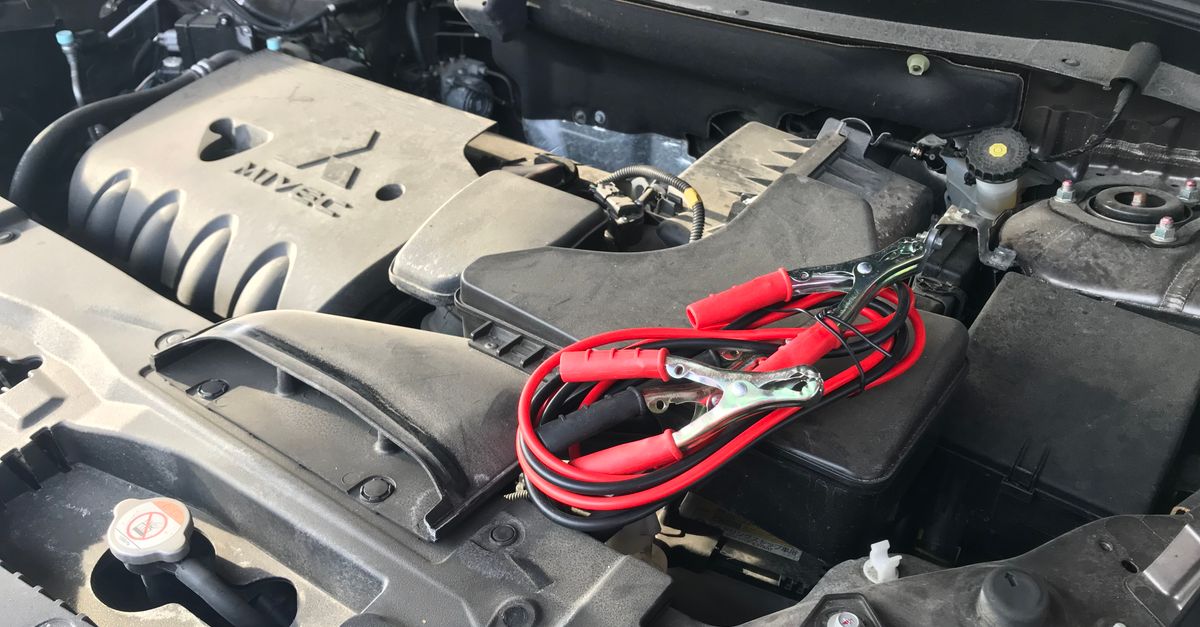
Park the donor car close but not touching, and turn off both engines. Connect one red clamp to the positive terminal of the dead battery and the other red clamp to the positive terminal of the good battery. Connect a black clamp to the negative terminal of the good battery, then attach the final black clamp to a bare, unpainted metal point on the engine or chassis of the car with the dead battery, away from the battery itself. That last connection sometimes sparks, and keeping it away from the battery reduces the risk of igniting gases.
Start the donor car and let it run for a few minutes, then try the dead one. Once it starts, remove the cables in reverse order. Never try to jump a battery that is cracked, leaking or visibly frozen. Portable lithium jump packs are a convenient alternative to cables, especially if you often park where another car can’t reach you.
A jump gets you moving, but it doesn’t fix the underlying problem. Have the battery and charging system tested soon afterward.
Hybrids and Electric Cars in the Cold
Electric vehicles and hybrids still have a small conventional auxiliary battery that powers computers, locks, lights and the systems needed to wake the car up. If that small battery goes flat, the car may not start or unlock properly even when the large traction battery has plenty of charge. Cold affects these auxiliary batteries the same way it affects any other, and they deserve the same fall checkup.
The large traction battery responds to cold differently. It doesn’t fail to start the car, but its available range drops, charging slows, and regenerative braking may be limited until the pack warms up. Much of that loss comes from energy spent heating the cabin and the battery itself.
The most useful habit for electric car owners in winter is preconditioning: using the car’s scheduling feature to warm the cabin and battery while the car is still plugged in. That draws the energy from the wall rather than the battery and leaves you with a warm car and more of your range. Parking in a garage and keeping the charge level in the range the manufacturer recommends for cold weather also help.
A Simple Winter Battery Routine
Put a battery test on your calendar each autumn, ideally combined with a switch to winter tires or an oil change so it doesn’t require a separate trip. Clean and tighten the terminals at the same time. If the battery is late in life or tests weak, replace it before the cold arrives, with a type and rating that match or exceed your manual’s specification.
Through the winter, take a longer drive every week or so, turn off accessories before shutting down, use a maintainer if the car sits, and plug in a block heater on the coldest nights if your vehicle has one. Keep a set of jumper cables or a charged jump pack in the car along with gloves and a flashlight.
These steps won’t make an old battery young again, but they’ll keep a healthy one working at its best and make sure a failing one reveals itself in your driveway rather than on a dark roadside.