Advertisement
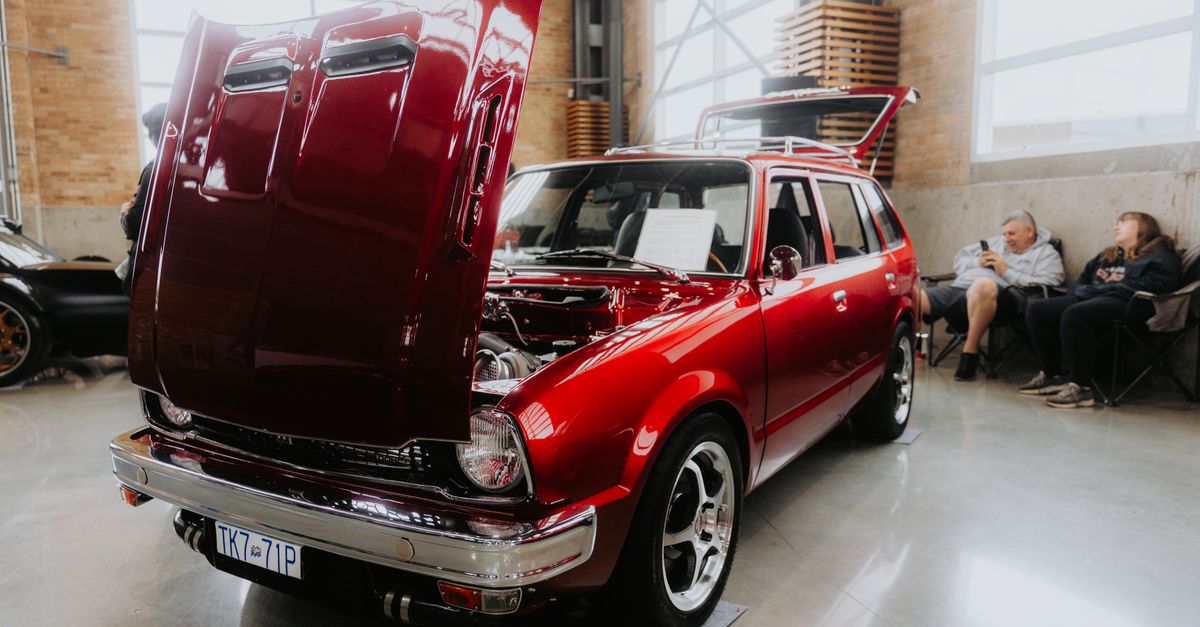
The wagon showed up in local listings on a weekday afternoon: one owner, garage kept, a folder of service receipts going back to the first oil change. The seller is a retiree who is moving closer to family and wants a quick, fair sale. The price is well below similar cars on dealer lots, but the buyer does not have that much cash sitting in a savings account, and the seller is not about to offer financing.
Private-party auto loans exist for exactly this moment. They let a buyer borrow to purchase a car from an individual rather than a dealership. They work differently from the financing you would arrange across a desk at a dealer, with more steps for the buyer and more checking by the lender, but the savings on the purchase price can be worth the extra effort when you know how the process runs.
Advertisement
How These Loans Differ From Dealer Financing
At a dealership, financing is folded into the sale. The dealer collects your application, sends it to lenders it works with, handles the contract, pays itself from the loan proceeds and takes care of the ownership transfer and lien filing. You mostly sign and drive away.
In a private sale, there is no one in the middle. You arrange the loan yourself, directly with a lender. That lender has to verify not only you, but also the car and the seller’s right to sell it, because it will be taking a security interest in a vehicle it has never seen, bought from a person it has never dealt with. It also has to make sure its lien ends up recorded correctly once the sale closes.
The money moves differently too. Instead of paying a dealer, the lender usually pays the seller directly, or the seller’s own lender if the car still has a loan on it. In some cases the lender sends funds to the buyer, who then pays the seller, but many lenders prefer to control the payment so they can be sure the lien is cleared and their own interest is recorded.
Because the lender carries more of the verification work, private-party loans can take a few days longer to finalize than dealer financing. Plan for that in your conversations with the seller so neither side feels rushed.
Who Makes These Loans and What They Look For
Banks, credit unions and online lenders offer private-party auto loans, though not all of them do. Credit unions are often among the most willing, and some specialize in them. It is worth calling a few lenders before you start shopping to confirm they finance private sales and to learn their rules.
Lenders set limits on the vehicle as well as the borrower. Common ones include a maximum vehicle age, a maximum odometer reading, a minimum loan amount and a cap on how much they will lend relative to the car’s value. Some also exclude certain vehicle types, such as salvage-branded cars, commercial vehicles or heavily modified ones. A car that fails these limits cannot be financed by that lender no matter how strong your credit is.
On the borrower side, lenders look at the same factors as for any car loan: credit history, income, existing debts and employment stability. Pricing is usually expressed as an APR, the yearly cost of borrowing including certain fees. Private-party loans sometimes carry a higher APR than comparable dealer-arranged loans, since the lender is taking on more uncertainty about the car. At other lenders, especially member-owned ones, the pricing can be close to their standard used-car rates.
Getting Preapproved Before You Shop
Preapproval turns a vague plan into a firm budget. The lender reviews your credit and income and tells you how much it is willing to lend, at what rate range and for what terms, subject to the car meeting its requirements. That lets you shop with confidence and negotiate with a seller who knows you can actually pay.
Applying with more than one lender helps you compare offers. Credit scoring models generally treat several auto loan inquiries within a short shopping period much like a single inquiry, so comparing two or three lenders over a couple of weeks usually has a limited effect on your score. Spreading applications over months does not get the same treatment.
Preapprovals come with conditions and expiration dates. Read what the lender needs from you and the car, including any inspection, valuation or document requirements, so there are no surprises once you have found the vehicle. Ask how long the approval lasts, too, since a private search can take longer than a trip to a dealer lot.
Checking the Car and the Seller
With no dealer vetting the car, the checking falls to you and the lender. Start with the vehicle identification number, found on the dashboard near the windshield and on the driver’s door frame. Make sure it matches the number on the seller’s ownership document and on any service records.
Run a vehicle history report to look for accidents, branded status, odometer discrepancies and ownership changes. Search the official government recall lookup by VIN to see whether any safety recalls are open. Then pay an independent mechanic for a pre-purchase inspection. A private seller usually sells as-is, so problems you find after the sale are yours to fix.
Finally, confirm the person selling is the person who owns the car. The name on the title or ownership document should match the seller’s government-issued ID. If it does not, find out why before going further. The lender will also check whether any lien is recorded, but you should ask the seller directly and look for lender names on the document yourself.
When the Seller Still Has a Loan
Many private sellers still owe money on their car. That is manageable, but it adds a step. The seller’s lender must be paid before it will release its lien, and your lender will not want to finance a car with someone else’s claim on it.
The usual solution is coordination between the lenders. The seller requests an official payoff quote from their lender and gives it to yours. Your lender pays the seller’s lender directly, up to the payoff amount, and sends any remaining purchase money to the seller. Once the seller’s lender receives the funds, it releases its lien, and your lender records its own.
Never pay a seller directly while their loan is still open. If the seller keeps the money without paying off the loan, the old lender can still repossess the car, and you would be left with a vehicle you do not truly own. A trustworthy seller will understand why the payment needs to flow through the lenders.
Closing Day: How Money and Documents Change Hands
Private sales often close at the lender’s office, at a bank branch or by mail and electronic signature. The exact steps depend on the lender and on how records are kept where the car will be registered, but the core documents are similar.
- Bill of sale: records the price, date, VIN and both parties’ names and signatures.
- Ownership document: signed by the seller in the transfer section, with your lender added as lienholder when the new document is issued.
- Odometer disclosure: required in many places, often built into the ownership document.
- Lien release: if the seller had a loan, the old lender’s release, which may arrive after closing.
- Proof of insurance: naming your lender as loss payee, effective before you drive away.
Some lenders handle the registration and lien filing themselves or through an agent. Others give you the documents and expect you to complete them at the licensing office within a set period. Ask which approach your lender uses and what deadline applies.
Costs Beyond the Loan Itself
A private purchase avoids dealer fees, but it does not avoid government charges. In many places, you will owe sales taxes when you register the car, even though no dealer collected them. The amount and any exemptions depend on the rules of your state or province, and some jurisdictions tax private sales differently from dealer sales.
You will also pay registration and ownership transfer fees, and some places require a safety or emissions inspection before a used car can be registered to a new owner. Budget for these in addition to the down payment, since most lenders will not add them to the loan the way a dealer might.
Because most private sales are as-is, set aside money for early maintenance or repairs. Even a well-kept car may need tires, brakes or fluids soon after you buy it.
Is a Private Seller Worth the Extra Steps?
A private purchase can save a meaningful amount compared with a dealer’s price for the same car, and it often gives you a better sense of how the vehicle was treated. In exchange, you take on the paperwork, the inspection and the risk of buying as-is, and your loan may cost slightly more or take longer to arrange.
If you are organized and patient, the trade usually favors you. Line up preapproval, confirm the lender’s vehicle limits, check the car and the seller thoroughly, and let the lenders handle the payoff when there is an existing loan. That combination turns a private sale from a leap of faith into a controlled transaction.