
Advertisement
Three years of school pickups, soccer gear and a golden retriever have left their marks on a family’s leased minivan. There is a scuff on the rear bumper from a tight garage, a small tear near the third-row seat belt, a faint stain on the carpet and a windshield chip from a highway pebble. As the return date approaches, the parents walk around the van with a flashlight, trying to guess which of these the leasing company will call normal and which will show up on a bill.
The answer depends on a standard written into every lease, usually in a section or separate guide describing “excess wear and use.” Leasing companies expect a car to come back looking like it was driven, not like it sat in a showroom. What they charge for is damage beyond that, and the line between the two is more specific than most drivers realize. Learning where it falls helps you decide what to leave alone, what to fix and what to document before turn-in.
Advertisement
Where the Line Between Normal and Excess Is Drawn
Normal wear covers the minor effects of everyday driving: light scratches that do not go through the paint, small dings that do not break the surface, modest wear on seats and carpets, and tires worn evenly within acceptable limits. Excess wear covers damage that lowers the car’s resale value beyond what the residual value assumed, such as dents, cracks, tears, missing parts and mechanical problems.
Most leasing companies publish a wear guide, sometimes as a booklet handed over at signing and sometimes as an appendix to the contract. Many use a small template, often about the size of a credit card, to judge scratches and dents. Damage that fits inside the template is typically considered normal; damage that extends beyond it is more likely to be billed. The exact standard differs from one lessor to another, so the guide for your specific contract is the one that counts.
Charges are usually based on the cost to repair the damage or the reduction in the car’s value, whichever the contract specifies. Some leases also cap the total wear charge or waive small amounts. Knowing which method your lessor uses tells you whether a repair before return is likely to save money.
Contracts also describe what happens if you disagree with the assessment. Some give you the right to request an itemized list with photos, and a few allow you to obtain an independent appraisal within a set window after turn-in, usually at your own expense. Find that clause before the return date, because the deadlines are short and a dispute raised after the bill is paid is much harder to win.
Keep in mind that the inspector is judging the car’s condition against a resale standard, not against perfection. A car that looks cared for, with its small flaws clearly minor, tends to be assessed more generously than one that looks neglected, even if the individual marks are similar.
Body Panels, Bumpers and Paint
The exterior gets the most attention at inspection. Inspectors look at every panel under good light, checking for dents, deep scratches, paint chips that reach bare metal and signs of previous repairs. Bumpers are a frequent source of charges, since parking contact and garage scrapes often leave marks too large for the template.
- Door dings: small, shallow dings are usually acceptable, while larger dents or several in one panel tend to be billed.
- Scratches: surface scratches that buff out are normal; scratches that catch a fingernail or show primer are more likely to be charged.
- Paint chips: scattered chips on the hood from road debris are expected, but large areas of missing paint are not.
- Prior repairs: mismatched paint, uneven panel gaps or overspray from a poor repair can trigger a charge even when the damage itself was fixed.
- Rust and corrosion: surface rust around chips, common in regions with road salt, may be flagged if it has spread.
Paintless dent repair specialists can often remove small dents for far less than a lessor would charge, and a professional detail can remove light scratches that would otherwise be noted.
Glass, Lights and Wheels
Windshield damage is judged by size and location. Small chips outside the driver’s line of sight are often treated as normal, but cracks, star breaks and chips directly in front of the driver are usually charged, since they may affect safety and inspection eligibility. Many insurance policies cover chip repair at little or no cost, so a quick repair before turn-in is often worth checking.
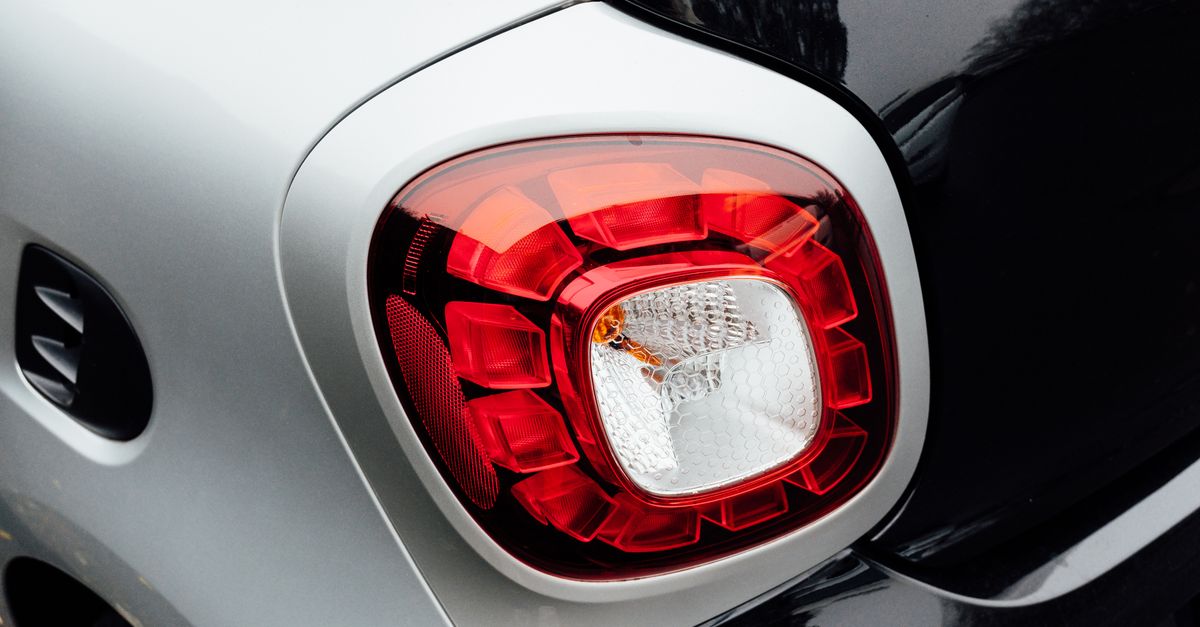
Headlights and taillights should be intact and working, with no cracks or moisture inside the housing. Cloudy or yellowed headlight lenses are sometimes considered normal aging, but broken or missing lenses are not. Mirrors, including their glass and housings, should be undamaged and functional.
Wheels are a frequent surprise. Curb rash, the scrapes that come from rubbing a curb while parking, is one of the most common wear charges. Light rash may pass, but deep gouges, bent wheels or missing center caps are likely to be billed. Wheel repair shops can often refinish scraped rims for less than the leasing company would charge for the same damage.
Tires and the Tread Left on Them
Tires must meet a minimum tread depth set in the contract, and inspectors will measure it. They also look for sidewall damage, bulges, cuts and plugs in areas that cannot be safely repaired. A set of tires worn close to the limit may pass, but a single tire below the minimum is typically billed for replacement.
Many leases also require that tires be of the same size and speed rating as the originals, and some require that all four match in type. Replacing worn tires with mismatched or lower-quality ones to avoid a charge can backfire if the contract calls for equivalent tires. Read the tire section of your wear guide before buying replacements.
Do not forget the spare, if your car has one, and the tire repair kit that came with the car if it did not. Missing items are usually billed at the lessor’s replacement cost, which can be higher than buying them yourself.
Drivers in regions with harsh winters face one more tire question. If you mounted a set of winter tires during the lease, the car should usually go back on the original tires or an equivalent all-season set, not on the snow tires, unless the contract says otherwise. Store the originals properly while they are off the car, since tires left in a hot shed or stacked badly can crack or deform and then fail the inspection anyway.
The Interior and the Items That Came With the Car
Inside the car, inspectors look for tears, burns, stains and odors. Normal wear includes light creasing of leather, slight fading and small marks that clean up. Excess wear includes rips, holes, cigarette burns, permanent stains and damage from pets. Smoke and strong pet odors can lead to a charge for deep cleaning or even replacement of certain materials.
Carpets and floor mats should be clean and intact. Headliners should be free of stains and sagging. Dashboard surfaces, screens and trim pieces should be undamaged and free of holes from aftermarket mounts. Child safety seat anchors can leave marks, which are generally considered normal, but tears caused by installing a seat are not.
Leases also expect every item that came with the car to go back with it: both key fobs, owner’s manuals, floor mats, cargo covers, charging cables for electric vehicles and any accessories listed at delivery. Missing keys can be surprisingly expensive to replace. License plates are another detail; depending on the rules of your state or province, the plates may stay with the car or remain yours, so ask the lessor what to do with them.
Mechanical Condition and Warning Lights
A leased car should be returned in good running condition. Warning lights on the dashboard, fluid leaks, grinding brakes and unusual noises can all lead to charges, and the inspector may note them even without a full diagnosis. If a warning light is on, have it checked before turn-in, since the repair may be covered by the factory warranty while you still have the car.
Maintenance records matter too. Most leases require you to follow the maker’s service schedule, and failing to do so can lead to charges if a problem is traced to neglect. Keep receipts for oil changes, tire rotations and other services, and bring them to the inspection in case questions come up.
Aftermarket equipment, such as a remote starter, a hitch or an audio upgrade, may be treated as damage if it was not approved or if its removal left holes or wiring issues. Check your contract to see whether such items must be removed before return.
Keeping the Wear Bill Small
Start with an honest walk-around a few months before turn-in, using the wear guide from your contract as a checklist. Many lessors offer a free pre-inspection by a third-party inspector, which produces a written report of likely charges. Use that report to decide which items are worth repairing on your own, and get quotes from independent body shops, wheel repair specialists and detailers.
If you bought a wear-and-tear protection plan when you signed, read what it covers and what it excludes. These plans usually cover a set amount of damage per item and overall, but may exclude tires, glass or mechanical issues. On the day you return the car, take clear photos of every panel, the wheels, the interior and the odometer, and keep them with your copy of the inspection report. If a charge appears later that does not match what you saw, those photos give you a basis to question it.
