
Advertisement
It starts as a faint, high-pitched chirp when you roll up to a stop sign in the morning. A week later it’s there every time you brake, and one afternoon it turns into a low grinding sound that you can feel through the pedal. By then, the repair that would have been a routine pad replacement may have grown to include new rotors as well.
Brakes give plenty of warning before they fail, but the warnings are easy to tune out when the car still stops. Knowing how the system works, what each sound and sensation means, and what a normal brake service includes helps you catch wear early, compare quotes with confidence and avoid paying for parts that did not need replacing yet.
Advertisement
How Pedal Pressure Becomes Stopping Power
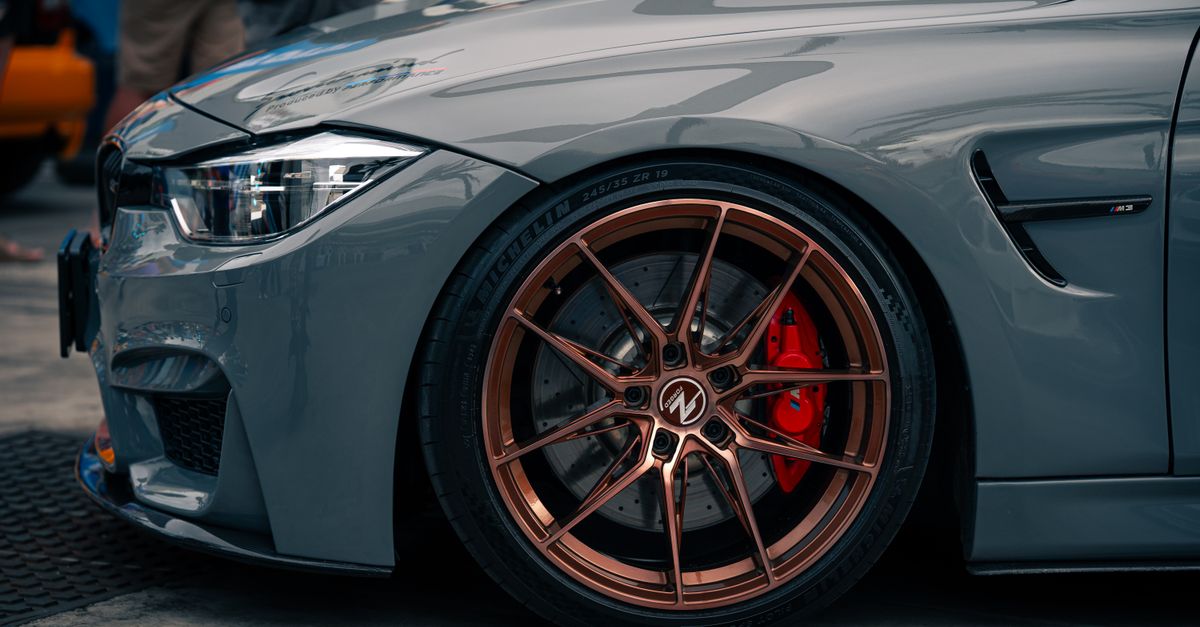
When you press the brake pedal, you push a piston in the master cylinder, which pressurizes brake fluid in a sealed network of lines. That pressure travels to each wheel, where it forces the caliper’s pistons outward. The caliper squeezes a pair of brake pads against a spinning metal disc called the rotor, and friction turns the car’s motion into heat.
Because fluid can’t be compressed, a light push on the pedal becomes a strong clamping force at each wheel. A power booster multiplies your effort further, and the anti-lock braking system pulses pressure to keep the tires from locking up on slippery surfaces.
Some vehicles, especially smaller or older cars and many trucks, use drum brakes on the rear axle. Inside a drum, curved shoes press outward against the inner surface of a spinning drum. Drums wear more slowly than front discs because the front brakes do most of the work, but they still need inspection and eventual replacement.
Every part of this chain wears or ages: the pads lose friction material, the rotors lose thickness, the fluid absorbs moisture, and rubber seals and hoses harden over time. A good brake service looks at all of it, not just the pads.
What Worn Pads Sound and Feel Like
Pads are designed to be the consumable part of the system, and most of them come with built-in ways to tell you they’re getting thin. Paying attention to these signals keeps a simple job from becoming an expensive one.
- Squealing when braking: many pads have a small metal tab that contacts the rotor when the friction material gets low, making a deliberate squeal.
- Grinding or growling: usually means the pad material is gone and metal is scraping metal, which damages rotors quickly.
- A dashboard warning: some vehicles have electronic wear sensors that trigger a light when pads reach a set thickness.
- Longer stopping or a softer pedal: can point to thin pads, air or moisture in the fluid, or a leak.
- Pulling to one side: often a sticking caliper or uneven pad wear between the left and right wheels.
- Pulsing through the pedal or steering wheel: typically related to rotors with uneven thickness or deposits.
Not every noise means worn pads. A light squeal on the first few stops of a damp morning is often just surface rust on the rotors wiping off. But a noise that persists, gets worse or changes character deserves an inspection soon. Many shops will measure your pad thickness during a tire rotation, and you can often see the outer pad through the spokes of the wheel.
Rotors: Resurface, Replace or Leave Alone
Rotors wear too, just more slowly than pads. Each rotor has a minimum thickness, usually stamped on the part itself, and once it wears below that figure it can no longer absorb and shed heat safely. Rotors can also develop deep grooves from worn pads, a lip around the outer edge, or uneven thickness that causes the familiar pulsing feel.
That pulsing is often blamed on “warped rotors,” but in many cases the cause is uneven pad material deposited on the rotor surface or small variations in thickness, often started by hard stops followed by holding the brakes while the parts are very hot, or by uneven lug nut torque.
A rotor that is above minimum thickness and in good shape can sometimes be resurfaced on a brake lathe, which shaves a thin layer to restore a flat, smooth face. Many shops now recommend replacing rotors instead, because modern rotors are thinner to begin with and replacement parts are often priced close to the cost of resurfacing labor. Either option can be legitimate.
What you should not accept without explanation is rotor replacement on every pad job as a matter of routine. Ask for the measured thickness compared with the minimum, or ask to see the grooves or damage. A shop that measures and shows you is making a decision based on the car, not on a habit.
Brake Fluid, the Service Most People Skip
Brake fluid rarely gets attention, yet it ages in a way that directly affects stopping. Most brake fluids are hygroscopic, meaning they absorb moisture from the air over time through tiny amounts of seepage in hoses and seals. As water content rises, the fluid’s boiling point drops.
Under heavy braking, such as a long mountain descent or towing, the fluid near the calipers can get very hot. If it boils, it forms vapor bubbles, and since vapor compresses, the pedal suddenly sinks toward the floor with much less stopping power. Moisture also promotes internal corrosion in the lines, calipers and the anti-lock unit, which is one of the most expensive parts of the system to replace.
Your owner’s manual lists a replacement interval, often measured in years rather than distance. A shop can test fluid with a moisture meter or test strips, and fresh fluid is usually clear or light amber while old fluid often looks dark. Color alone isn’t a reliable measure, so testing or following the manual is the better guide.
A brake fluid service, sometimes called a flush or bleed, replaces the old fluid throughout the system and removes any trapped air. It is a relatively inexpensive job that protects far more expensive parts, and it’s one of the easiest ways to keep the pedal firm for years.
What a Typical Brake Job Includes
A standard brake service usually covers one axle at a time, front or rear, because pads should always be replaced in pairs across the axle to keep braking balanced. The front brakes do most of the stopping, so they typically wear faster and need attention more often.
A thorough pad replacement includes more than swapping friction material. The technician should clean and lubricate the caliper slide pins so the caliper moves freely, replace or clean the small hardware clips that hold the pads, and inspect the rotors, hoses and calipers for leaks or damage. After installation, the new pads are bedded in with a series of controlled stops that transfer a thin, even layer of pad material onto the rotor.
Quotes can vary a lot, partly because of parts quality. Economy pads may cost less but can wear faster, create more dust or make more noise. Ask which grade of pad is included, whether the quote covers rotors, hardware and fluid, and whether the pads meet the vehicle maker’s specifications. Offers of “lifetime” pads usually cover only the pad itself, not the labor to install replacements, so read the terms.
A sticking caliper or a leaking hose adds to the bill, but those problems also cause pads to wear unevenly and quickly, so fixing them protects the new parts.
Why Some Brakes Last Longer Than Others
How long pads and rotors last depends heavily on how and where the car is driven. City driving with constant stops wears brakes far faster than steady highway travel. Hilly terrain, towing and carrying heavy loads all add heat and wear. A driver who brakes late and hard will replace pads more often than one who looks ahead and eases off early.
Hybrids and electric vehicles change the picture. When you lift off the accelerator or press lightly on the pedal, their drive motor acts as a generator, feeding charge back to the battery while its resistance bleeds off speed. With that regenerative system handling so much of the slowing, the pads and rotors see far less friction work and can last a very long time. The flip side is that rotors on these cars can rust and calipers can stick from lack of use, especially in regions with harsh winters and salted roads. Occasional firm stops in a safe place help keep the surfaces clean, and some manufacturers recommend periodic caliper service.
Road salt is hard on every braking system. It corrodes caliper slides, brake lines and rotor surfaces. In salt-belt regions, an annual brake inspection and cleaning, often done during a tire changeover, can prevent seized parts and uneven wear.
Keeping Brakes on Your Radar
You don’t need to be a mechanic to stay ahead of brake trouble. Listen for new noises, notice changes in how the pedal feels, and pay attention if the car pulls or vibrates when you stop. Ask for a pad measurement during tire rotations, and keep the results with your service records so you can see how quickly your brakes are wearing.
Check the brake fluid reservoir under the hood occasionally. A level that drops noticeably can indicate a leak or, more commonly, pads wearing down, since the calipers take up more fluid as the pads thin. Never top up a low reservoir without finding out why it’s low. Follow the fluid change interval in your manual rather than waiting for a problem.
When service is due, ask for measurements and a clear breakdown of parts and labor. Brakes are not an area to economize on safety, but they are an area where understanding what you’re paying for helps you pay only for what the car needs.